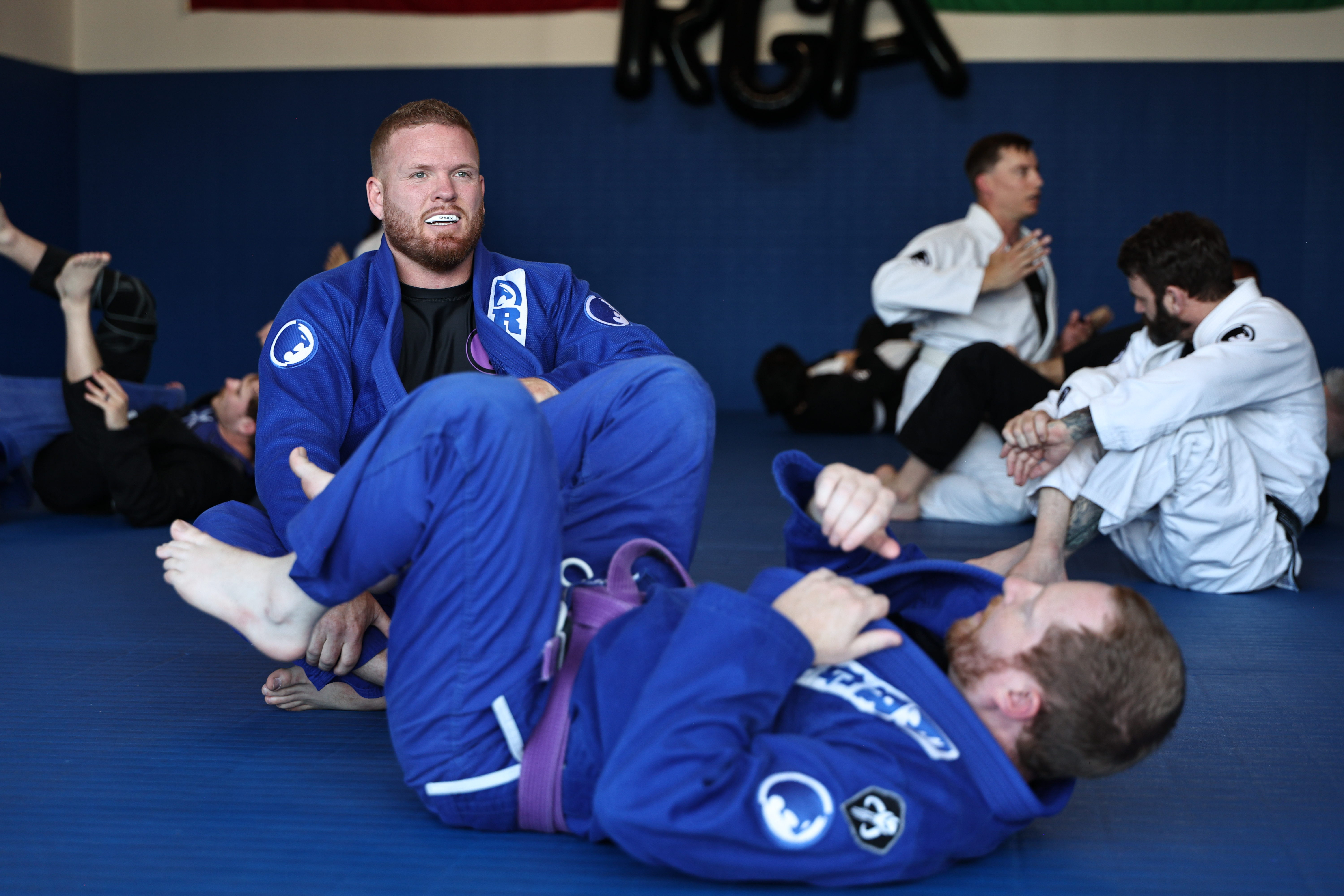
The Entitled Athlete vs. The Humble Athlete
The majority of tournaments boast a large selection of white belt competitors, but very few colored belt competitors.
Why is that?
In Jiu Jitsu, time is the equalizer.
In an era where instant satisfaction, results, and gratification are engrained into people’s psyche, the delays in Jiu Jitsu are a hard pill to swallow, where time is measured in years versus days.
Here enters the idea of victimhood: the antithesis of Jiu Jitsu.
Taking off the victimhood mentality and taking on the mantle of ownership of our lives is one of the most empowering things we can do.
Put away the uniform of entitlement and put on the uniform of humility.
Proverbs 13:4 says, “The soul of a lazy man desires, and has nothing; but the soul of the diligent shall be made rich.” (NKJV, 1982)
If this proverb was translated for Jiu Jitsu, it would read something like:
“The soul of the entitled desires to be good at Jiu Jitsu, yet does not work for it; but the soul of the humble athlete works hard to find success in the sport.”
We all go through slumps and times where committing to Jiu Jitsu is hard—this is a fact of life. However, what separates us from being the entitled athlete versus the humble athlete is our mindset.
THE ENTITLED ATHLETE
Psychology Today defines entitlement as, “unrealistic, unmerited, or inappropriate expectation of favorable treatment at the hands of others.”
Our tendency is to want things now without having to work hard. Some of us sit on the couch, play the victim, and bemoan the fact we are not where we want to be.
Though we can attend class multiple times a week, we choose not to. Instead, we show up to class once a week or once every other week, but watch YouTube videos or Instagram shorts to “beef up” our repertoire (spoiler alert: this doesn’t work).
Or, we might expect to be promoted because we have been to X number of classes, we’re dominating on the mats, or we invest in many private lessons.
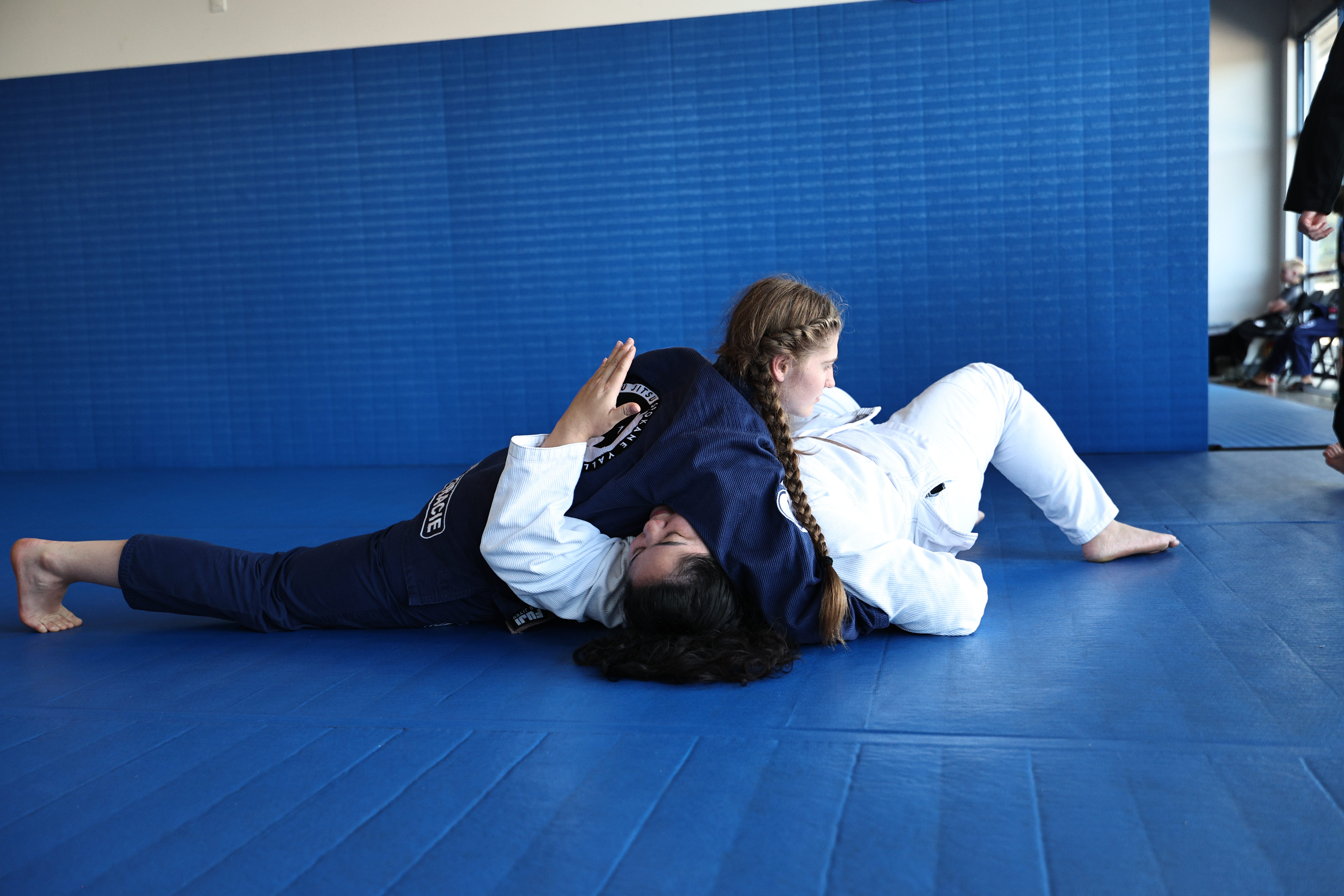
The moment we start feeling entitled is the moment we start to lose out on learning.
When we think we are entitled, often a pride issue is revealed.
“I know how to do this, I shouldn’t have to do this again.”
“I’m a higher belt—I don’t need to spar with the white belts.”
“I would teach this better.”
“I am better suited somewhere else.”
Pride gets in the way of learning. This is a trap higher belts can fall into—why would they take class from a lower belt if they already have all the knowledge?
Yet, with that mindset, they miss out on an explanation that could make them think about the technique differently. They miss out on a chance to take class. They miss out on a chance to support a fellow teammate as they learn to coach.
We, as an entitled athlete, will make excuses for not training and yet expect rewards and promotions we don’t deserve.
THE HUMBLE ATHLETE
Comparatively, we, as the humble athlete are hardworking, ready, and willing to learn whenever we get a chance to do so.
We might have excuses, yes, but often, we work around our excuses so we can train.
The humble athlete’s mindset looks like this:
“I know how to do this, but I am grateful to have the chance to practice again.”
“I’m a higher belt—but I can learn while sparring with anybody.”
“I might have taught this a different way, but this made sense to someone else that didn’t understand before.”
“It’s not just about me: we’re a team.”
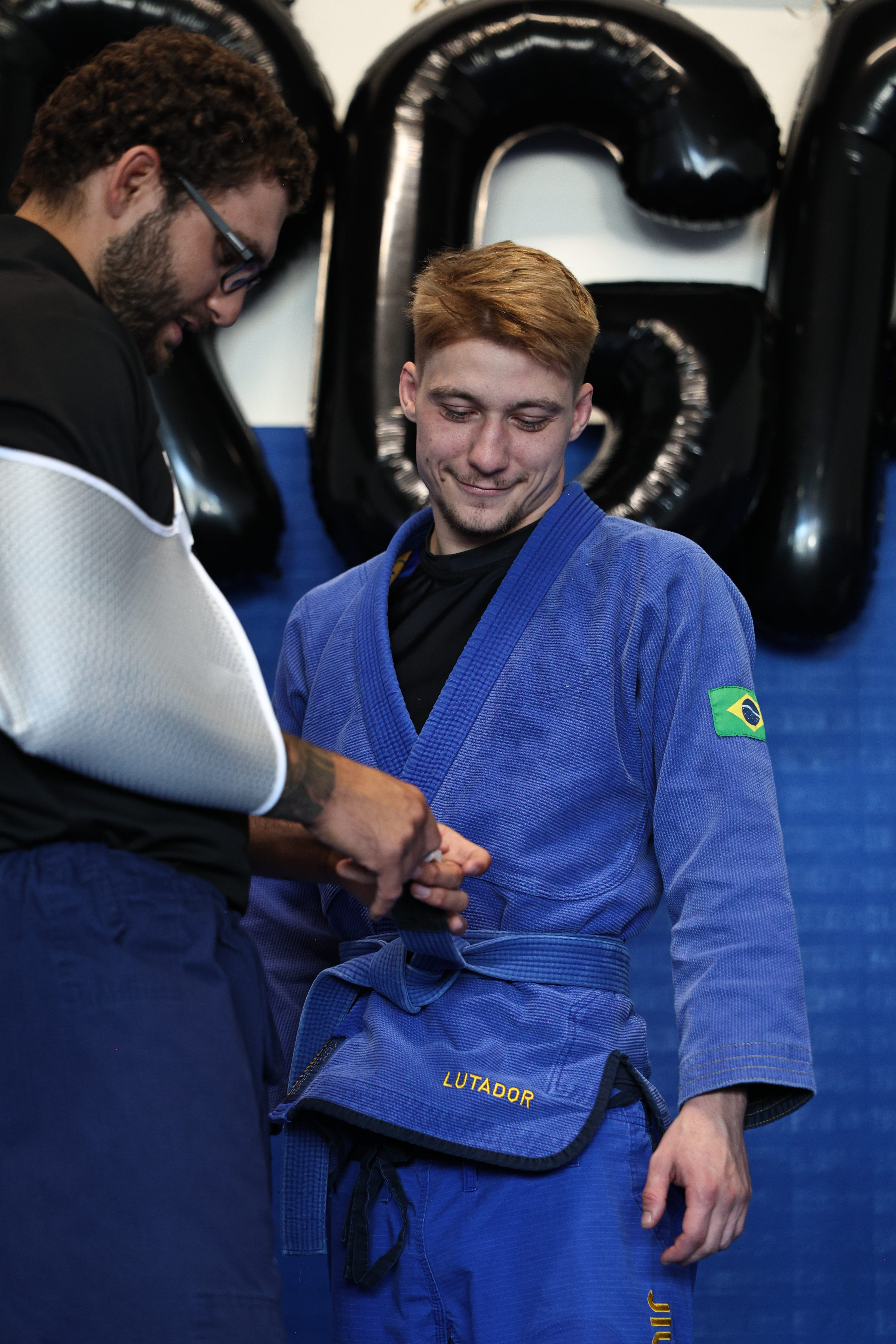
Instead of playing the victim, we, as the humble athlete, make things happen. We show up to class, we stay after to spar, we work on our diet at home, and we are respectful to the people around us on the mats.
The humble athlete will go farther and improve faster than the entitled athlete. Furthermore, the humble athlete will last longer in a sport designed to humble its practitioners whereas the entitled athlete will fall off their journey due to difficulty.
It’s a choice, so choose wisely.
