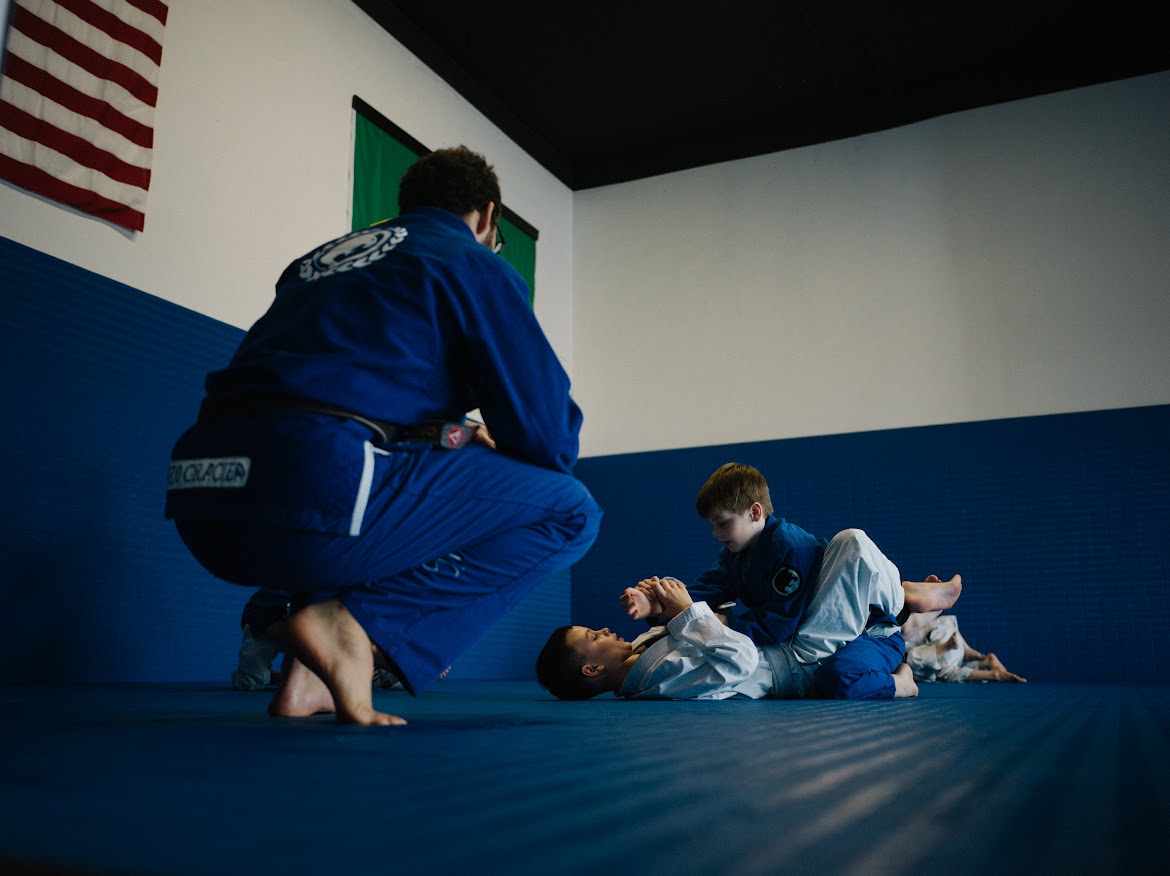
“Problem kids” need Jiu Jitsu. Here’s why.
When a child develops a behavioral issue, parents often look to martial arts to help their child find a healthy outlet where they can blow off steam and learn discipline and self-control.
With cultural icons such as “The Karate Kid” providing examples for how a child can go from a target to someone who stands up for themself or others, it’s no wonder parents google “martial arts” looking for an answer.
That’s what brought Kelsey Wurst to Renzo Gracie Spokane Valley.
“I needed more structure and discipline and a role model for my son (after) his father and I split up,” Kelsey said.
“(My son) was getting a behavior report sent home three to four times a day for punching kids, kicking kids—just any aggressive behavior that you could think of—and acting out for attention.”
Needing something, Kelsey looked to Jiu Jitsu for a solution to her problem.
In a study of 113 children in MMA and BJJ, Tony Blomqvist Mickelsson came to the conclusion that Jiu Jitsu could be “a potential platform for youth to manage problematic behavior.”
Mickelsson’s survey went on to find that, over the five months of the study, “BJJ practitioners experienced a decline in aggression.”
Since starting Jiu Jitsu and finding an outlet for his aggression, Kane has made more friends on and off the mats.
Kelsey credits this to Jiu Jitsu’s fundamentals of respect and knowing one’s boundaries with other people.
“There are (rules) on the mats that we all have to follow, regardless of rank, age, or gender,” RGSV Head Professor Markus Carvalho said.
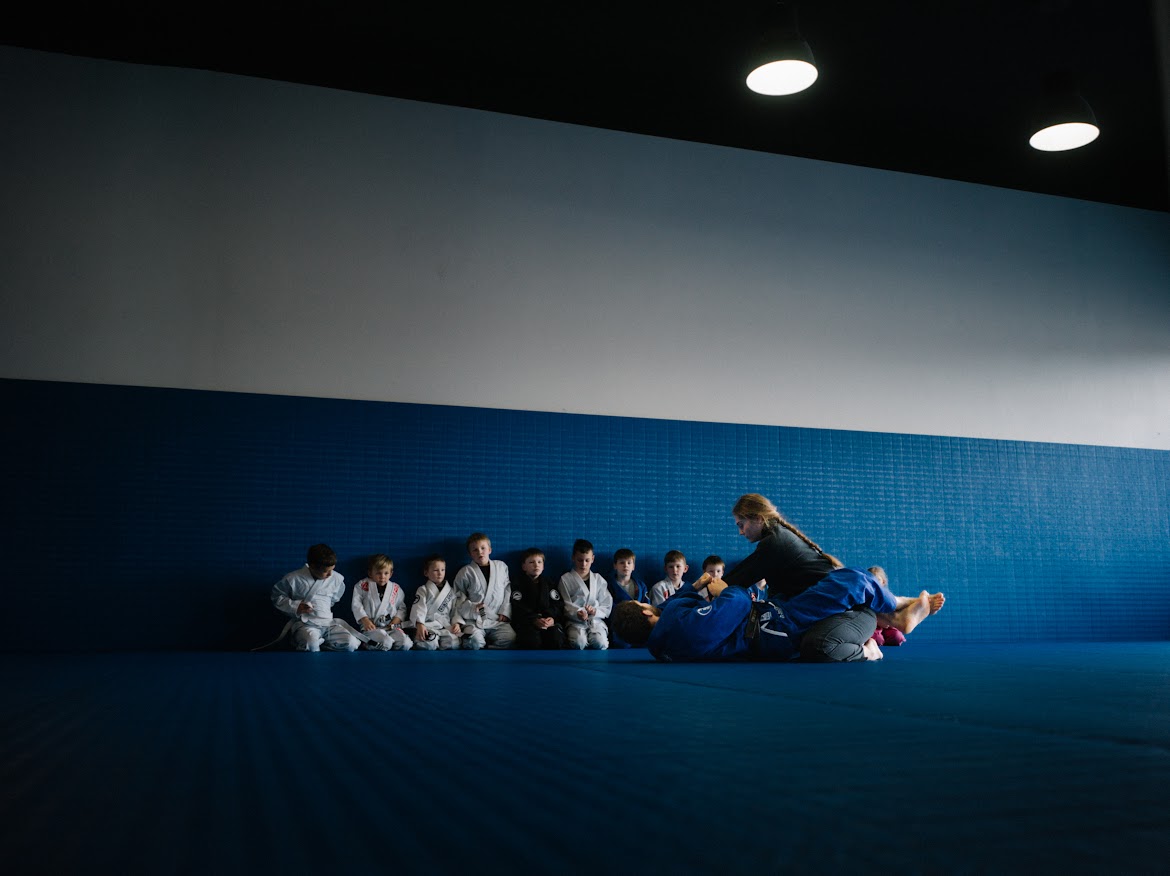
Professor Markus said the specific structure, rules, and limitations to actions found in Jiu Jitsu are something households often lack.
“I think (the structure is) the main reason why so many kids are transformed when it comes to their behavior in Jiu Jitsu,” Professor Markus said.
The process that takes place to acclimate to the gym can be jarring at first — especially when a student is used to getting their way.
“The kid comes in with a set of values and patterns of behavior and ways of thinking and thought processes, and for that to be shaped into what the class requires takes awhile,” Professor Markus said.
Though acclimating to the rules and discipline the mats require may be uncomfortable for the student and their parents, both parties soon start to realize the benefits of the class’ structure.
“Within a month, you can already tell the difference between a disorderly kid and then a kid that’s been affected by the discipline and structure that Jiu Jitsu provides,” Professor Markus said.
Regardless if the student wants to come to class or not, the benefits of Jiu Jitsu only manifest when the student shows up on the mats. The more often a student is in class, the more they benefit from the structure, discipline, and rules of the mat. This, in turn, benefits them off the mats.
As Kelsey’s son continued to train, she started to notice a shift in her son’s attitude and behavior.
“Kane is definitely more respectful,” Kelsey said. “He is more of a leader. He wants to help his peers versus going after them for not doing what he thinks they should be doing.”
Now, Kane portrays leadership and patience when he helps Coach Elizabeth in the RGK1 class, wrangling the 3–4-year-old students.
“I think the biggest benefit for Kane is the role models that he has here,” Kelsey said. “He looks up to Professor Markus, Instructor Tanner, Nick…they’re excellent role models to point him into a position to grow up to be a better man.”
To see the benefits of Jiu Jitsu for yourself or your child, or if you have further questions, book your trial class here!
Citations
Tony Blomqvist Mickelsson (2020) Modern unexplored martial arts – what can mixed martial arts and Brazilian Jiu-Jitsu do for youth development?, European Journal of Sport Science, 20:3,386-393, DOI: 10.1080/17461391.2019.162918
